The Texas Supreme Court has temporarily blocked a pregnant woman's access to an emergency abortion. This injunction complicates abortion access amidst strict state regulations.
The recent decision by the Texas Supreme Court has sent ripples across the state, marking a significant moment in the ongoing debate over abortion rights. A pregnant woman, who sought an emergency abortion due to medical complications, has found herself at the intersection of legal contention and personal health concerns.
This temporary block not only underscores Texas's strict abortion laws but also raises questions about the balance between state authority and individual rights. As the case continues to draw national attention, it not only affects the individual involved but also sets a precedent for future cases concerning reproductive healthcare and state intervention in Texas. With implications that resonate beyond its borders, this development is a critical watchpoint for advocates, legal experts, and policymakers engaged in the discourse on reproductive rights in the United States.
The Background Of The Abortion Case
The historical context of abortion laws in Texas traces back to the 19th century when abortions were primarily prohibited. It wasn't until the landmark Roe v. Wade case in 1973, which originated in Texas, that the US Supreme Court recognized abortions as a constitutional right. This ruling legalized abortion nationwide until viability, which is typically around 24 weeks.
However, the introduction of Texas Senate Bill 8 (SB8), signed into law in May 2021, has significantly restricted access to abortion services within the state. The law prohibits abortions once cardiac activity can be detected in the embryo, which can be as early as six weeks into a pregnancy - often before many women even realize they are pregnant. Furthermore, SB8 uniquely empowers private citizens to enforce the law by suing anyone who performs or aids and abets an abortion, a tactic that has created a chilling effect on healthcare providers and others who might support abortion services.
Legal Implications And Public Reaction
The temporary halt of an emergency abortion by the Texas Supreme Court has caused a significant stir across various sectors. This decision is seen as a pivotal moment for women's rights and access to healthcare services. The legal move stands in direct confrontation with the arguments for personal autonomy and health safeguards.
As the case unfolds, debate intensifies surrounding the extent to which government can interfere with reproductive decisions. This restriction on abortion extends beyond moral grounds, culminating in widespread public dissent and questioning the steadfastness of constitutional rights provided to women. The suspension of the procedure not only addresses the legal aspects but also impacts the fundamental human rights concerned with women's health choices.
Activists and healthcare providers foresee the current scenario as a prelude to escalating restrictions, posing severe implications for women's health rights in Texas and potentially setting a precedent for other states. The decision ignites a controversial debate which is unlikely to be extinguished in the near future, asserting a tangible influence on the national conversation regarding reproductive rights.
Discussion On Future Implications
The temporary block imposed by the Texas Supreme Court on an emergency abortion has sparked intense discussions regarding the prospective pathway of abortion legislation in Texas. Legal experts and advocates on both sides of the issue are parsing the implications of this unprecedented ruling. They argue that this could set a legal precedent, potentially encouraging similar judicial interventions in other states.
The decision's ripple effect might be felt across the United States, as it signals a shift in the judicial system's approach to handling such sensitive matters. Some foresee a domino effect that could lead to more stringent restrictions on abortion access nationwide, while others hope for a resurgence in the defense of reproductive rights. The landscape of abortion laws in America stands at a critical juncture, with this Texas Supreme Court decision at the forefront of shaping future legislation.
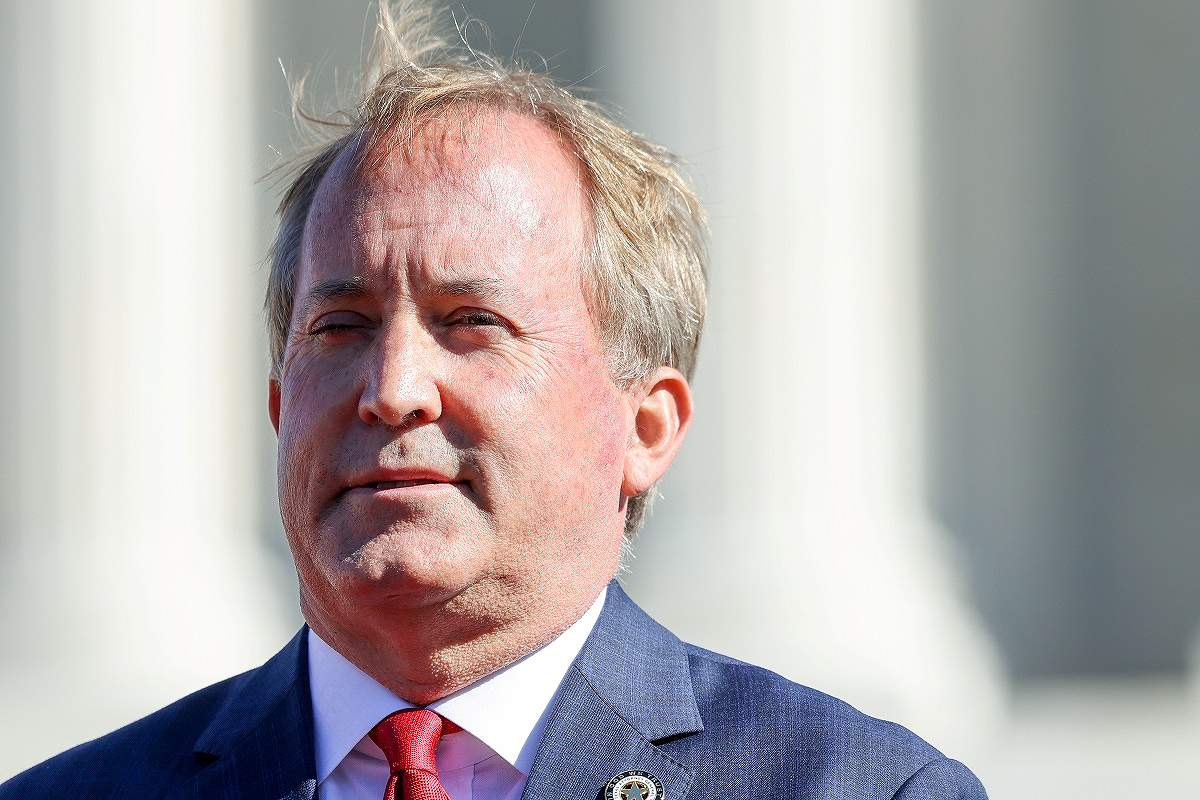
Credit: japannews.yomiuri.co.jp
Frequently Asked Questions Of Texas Supreme Court Temporarily Blocks Pregnant Woman From Emergency Abortion
What Is The Texas Supreme Court's Role In Abortion?
The Texas Supreme Court has judicial authority over state legal matters, including emergency abortion cases. They can halt abortions if they interpret them as violating state laws.
Why Was A Pregnant Woman's Emergency Abortion Blocked?
The block is tied to legal interpretations of state abortion regulations. The court intervened, viewing the procedure as conflicting with Texas's restrictive abortion laws.
Can A Pregnant Woman Challenge The Texas Abortion Block?
Yes, a pregnant woman can seek legal representation to challenge the block. Through appeals, her case might be reconsidered based on legal and medical grounds.
What Are Texas's Current Laws On Emergency Abortion?
Texas has strict abortion laws, often only allowing emergency abortions to save a mother's life or prevent substantial impairment, with many legal nuances.
Conclusion
The Texas Supreme Court decision ignites a critical conversation on reproductive rights. It highlights the tense legal battles surrounding emergency abortion access. As this case unfolds, many eyes will watch for its implications on healthcare laws. The conversation continues, with public and legal scrutiny at an all-time high.
Comments
Post a Comment
If you have any doubts, Please let me know